
The Truth about our Stray Animals

When we think about the deprived, underprivileged, suppressed, oppressed and abused amongst us we see only human beings and sometimes our environment. But there is a large segment in our community that is completely ignored, neglected, left to suffer endlessly and die slow painful deaths- They are our stray dogs and cats
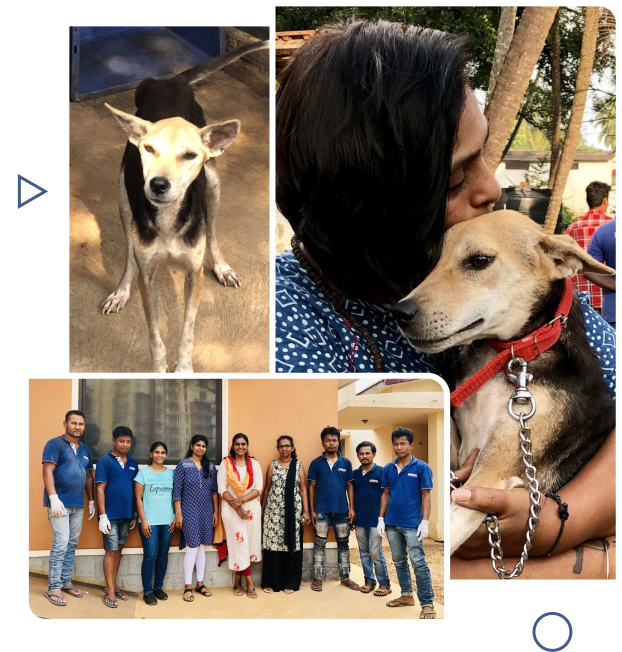
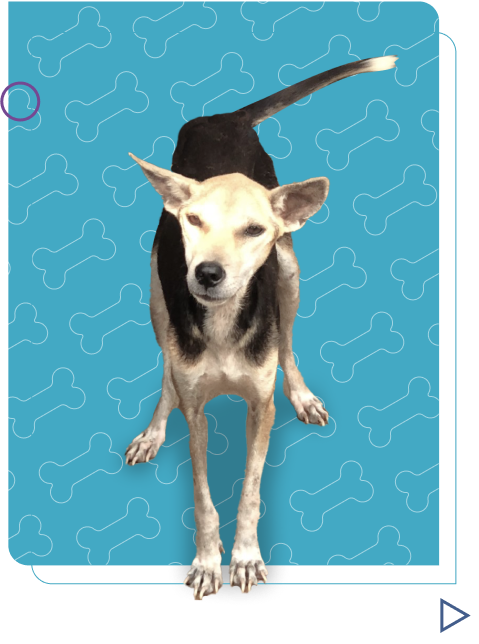
Facts of stray dogs
- The desi or Indian pariah dogs have been in India since 14000 years.
- India has 79.9 million stray dogs & cats living in the streets – the highest in the world( as reported by Mars Petcare India)
- Most puppies and kittens don’t live for more than 3 months
- From birth to death most of them spend their days in acute hunger, thirst, threat, disease, injury, torture, fear, abuse and loneliness. They sometimes even die at the hands of humans
- They are voiceless, defenceless and powerless
- Approximately 3 million feeders, fosters, rescuers and activists across the country feed, vaccinate , rescue, treat, rehabilitate, rehome and care for at least some of these 79.9 million dogs and cats . They work tirelessly and selflessly to give these wonderful sentient beings a life of dignity , free from suffering and abuse as far as they possibly can.
- Apart from Animal Birth Control programs and Anti rabies vaccination there are no other facilities for the dogs from our Government. ( Since these have to be executed by Govt bodies more often than not, they are not )
- Because of the failure of the government to effectively run the Anti rabies vaccines program 20,000 people die from rabies every year- the highest in the world. ( With timely and annual vaccination, this can be totally avoidable).
- No budget allocation nor programs from the government for the welfare and upkeep of small animals
The role of humans
- It is us, humans, who have put them in the streets
- It is us who continue to keep them there because of our prejudice towards them and our preference for foreign breed dogs and cats
- We abandon our pet animals in the street when they fall ill or have any injuries or diseases adding to the already existing number
- Owners don’t sterilise their pets and puppies and kittens are abandoned in the street
- Due to lack of a proper garbage disposal system, dogs multiply and are victim to life threatening diseases.
- They only have us . Thus they are completely dependent on us and at our mercy
- We choose not to see or feel their pain, hurt, helplessness and hopelessness
- Minimising human dog conflicts is totally in our hands.
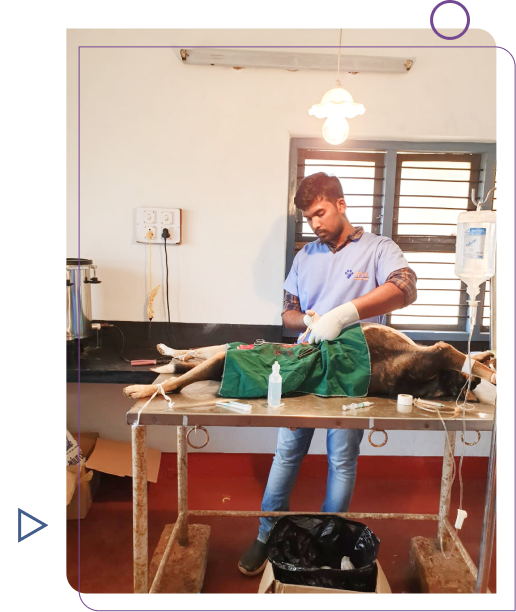
The financials per dog for feeders & fosters
( The commitment is for a period of 10-14 years and feeders feed anywhere between 10-300 dogs everyday )
Annual expenses per dog/cat
| Deworming | 210.00 |
| Anti rabies and 9 in 1 vaccine | 1000.00 |
| Collar and name tag | 400.00 |
| Bowls ( for food and water) | 300.00 |
| Annual vaccine | 1200.00 |
Daily expenses
| Food | 30.00( home cooked ) |
| Dry food | 60.00 |
| Transportation | 100- 300.00 |
| Fostering at home | 30-200.00 per puppy/dog/kitten/cat per day |
One time & Incidental expense per dog
| Sterilisation | 2000- 3500.00 |
| Supplements | 250.00 |
| Treatments | 2000-10000 |
Rescuers
| Trap cage | 15000.00 |
| Nets (2) | 8000.00 |
| Catching pole | 5000.00 |
| Vehicles | 20000 – 15,00000.00 |
| Medicine kit | 5000.00 |
| Transportation | 100 – 300.00/DAY |
| Adoption camps | 2000.00/CAMP |
| Treatment | 1000 – 2,00,000.00 |
Private Vet Charges (approximately) per dog/cat
| Cataract | 30000-40000 |
| Bone fixing (both legs) | 10000-1,20,000 |
| Fracture | 20000-30000 |
| Cancer treatment | 20000-30000 |
| Kidney failure treatment | 5000-50,000 |
| Infections-(ear, urinary tract, skin) | 1000-10,000.00 |
| Stomach infections | 1000-5000.00 |
Funding
Most of them working for welfare of strays use their own resources or raised from family, friends and well wishers For more expensive treatments there’ s crowd funding on social media occasionally Almost 90% of organisations in India do not have animal welfare in their CSR activities despite that fact that the stray dogs form an integral part of our society and have the same needs as humans without access to anything.